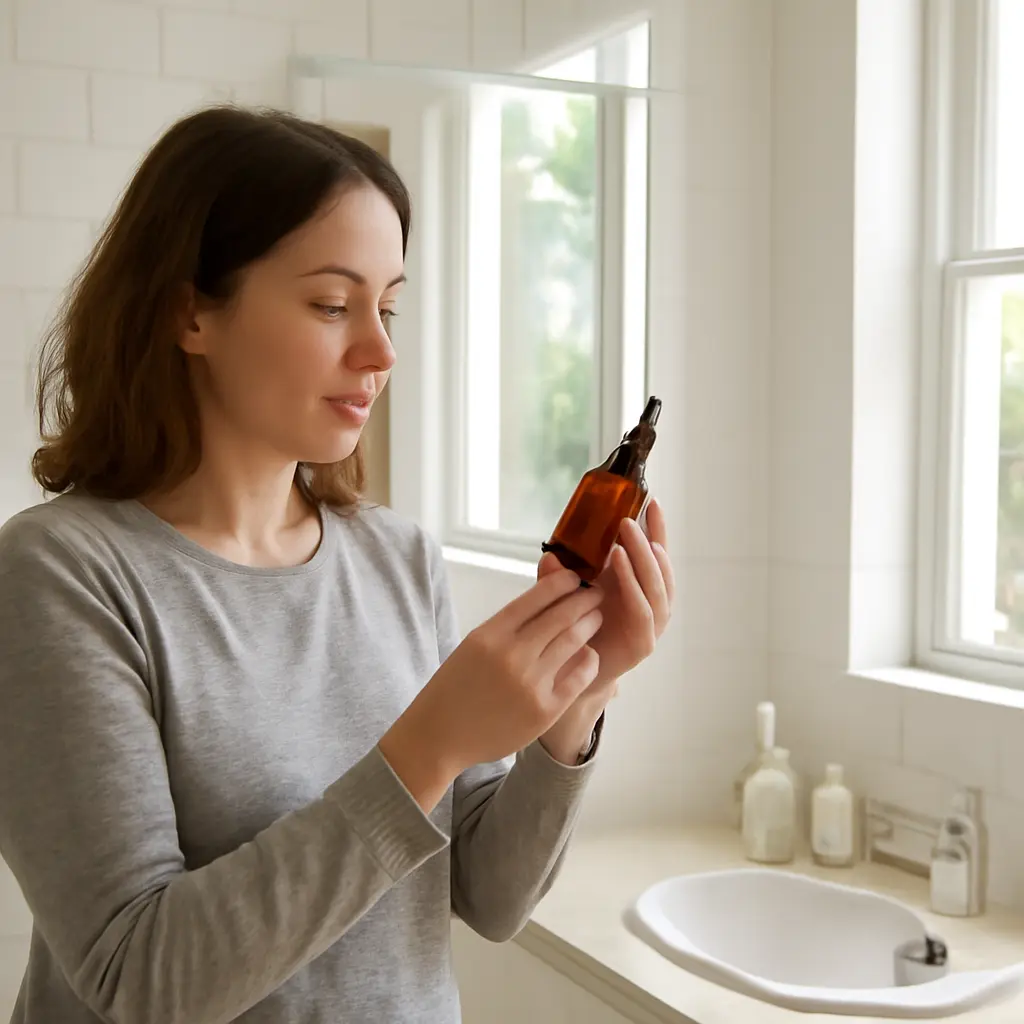
Clearer skin is influenced by more than skincare products: sleep, diet, stress, sun exposure, and daily habits can all affect skin health, although lifestyle changes cannot guarantee acne-free skin or replace medical care. The American Academy of Dermatology (AAD) notes that acne is common and that treatment often requires consistent, evidence-based care. Practical steps—such as choosing lower-glycemic foods, protecting skin from ultraviolet (UV) radiation, getting adequate sleep, and avoiding picking or harsh cleansing—may support skin health and reduce some preventable irritation. This guide reviews what the evidence says, where it is limited, and when to seek help from a dermatologist.
Lifestyle Changes and Clearer Skin: Understanding the Connection
“Clearer skin” is a practical goal, not a formal medical diagnosis. It usually means fewer acne lesions, less irritation, and a more comfortable skin barrier. The AAD describes acne as a condition involving clogged pores, excess oil, bacteria, and inflammation; hormones and other individual factors also contribute. Lifestyle measures may influence some of these factors, but acne is not a sign of poor hygiene, and no single food or habit explains every case.
The scale of the issue makes realistic guidance important. The Global Burden of Disease study published in The Lancet estimated that acne affected about 231 million people worldwide in 2019, making it one of the most prevalent skin conditions. The AAD also emphasizes that effective treatment can take weeks to show results. Lifestyle changes are best understood as supportive habits used alongside a suitable skincare routine or clinician-recommended treatment—not as a quick cure.
What lifestyle changes can—and cannot—do
Lifestyle changes are modifiable behaviors that may affect skin exposure, inflammation, oiliness, or recovery. Their impact varies by person, and research strength differs across topics. Diet studies, for example, suggest possible links between certain eating patterns and acne, while evidence for many popular “skin-cleansing” claims remains limited. A useful approach is to change one or two habits at a time and track symptoms for several weeks, while keeping prescribed treatment consistent.
A simple, skin-supportive routine
A dependable foundation is gentle cleansing, non-comedogenic moisturizer and sunscreen, and avoiding repeated scrubbing or picking. The AAD recommends washing acne-prone skin gently up to twice daily and after sweating. “Non-comedogenic” generally indicates that a product is formulated to be less likely to clog pores, though individual reactions can still occur. Introduce new products gradually, especially if using acne medicines that can cause dryness or irritation.
Diet and Clearer Skin: Choosing Evidence-Informed Eating Habits
Diet is one possible influence on acne, but it is not a universal cause or cure. The AAD’s acne guidance reports that some research links high-glycemic diets with acne and that cow’s milk may be associated with breakouts in some studies. These findings are associations, not proof that a particular food causes acne in every person. Overall nutrition, medical needs, culture, and affordability should guide food choices.
Lower-glycemic eating patterns
A high-glycemic eating pattern contains foods that can raise blood glucose quickly, such as many sugary drinks and refined-grain products. Lower-glycemic choices include beans, vegetables, some whole grains, and minimally processed foods. In a small 2007 randomized study published in the American Journal of Clinical Nutrition, 43 males with acne followed either a low-glycemic-load diet or a control diet for 12 weeks; the low-glycemic group had a greater reduction in acne lesions. Because the study was small and involved a specific population, it supports further research rather than a guaranteed dietary prescription.
A practical option is to build meals around fiber-rich vegetables, legumes, whole grains, and protein, while reducing frequent sugary drinks and highly refined snacks if they are a major part of the diet. Avoid extreme restriction: restrictive diets can be nutritionally inadequate and are not necessary for skin health.
Dairy, individual triggers, and balanced decisions
Some observational research has found an association between cow’s milk intake and acne, but results do not establish cause and effect. The AAD notes that the evidence is not definitive and that responses may differ. If a person suspects a food trigger, a brief, structured symptom diary can help identify patterns; changing multiple food groups at once makes it difficult to interpret results. Anyone considering eliminating dairy should plan suitable sources of calcium, vitamin D, and protein, or consult a registered dietitian.
Hydration and supplements
Drinking enough fluids supports normal body function, but there is no strong evidence that drinking extra water alone clears acne. Likewise, supplements marketed for “detox” or flawless skin are not substitutes for proven care. High-dose supplements can have side effects or interact with medicines. Discuss supplements with a healthcare professional, particularly during pregnancy, when managing a chronic condition, or when taking prescription medication.
Sleep, Stress, and Clearer Skin: Supporting Recovery and Well-Being
Sleep and stress can influence overall health and may affect how people experience or manage inflammatory skin conditions. Research has reported associations between psychological stress and acne severity, but the relationship is complex: stress may influence inflammatory responses, while visible acne can itself increase distress. These connections make stress care worthwhile for well-being even when its direct effect on breakouts is uncertain.
Consistent sleep habits
Sleep supports normal physical and emotional functioning, and inadequate sleep can make it harder to maintain routines or cope with stress. The U.S. Centers for Disease Control and Prevention recommends that adults aged 18–60 get at least seven hours of sleep per night. That recommendation is for general health, not an acne treatment claim. A regular bedtime, a dark and quiet sleep environment, and limiting late-day caffeine may help establish a consistent schedule.
Stress management without overpromising
Stress management means using practical methods to reduce strain and support mental health; it does not mean that acne is “all in your head.” Walking, breathing exercises, enjoyable hobbies, social support, or counseling may be helpful depending on the person. If acne is affecting mood, confidence, school, work, or relationships, speaking with a healthcare professional is appropriate. Treating the skin and supporting emotional well-being can happen at the same time.
Sun Protection and Clearer Skin: Preventing Damage and Irritation
Sun protection helps prevent UV-related skin damage; it is not an acne cure. The U.S. Environmental Protection Agency explains that UV exposure can harm skin, while the AAD recommends broad-spectrum sunscreen with SPF 30 or higher for exposed skin. Sun exposure can also worsen dark marks in some people, and certain acne treatments make skin more sensitive to sunlight.
Daily sunscreen and protective habits
Choose a broad-spectrum, water-resistant sunscreen labeled SPF 30 or higher, and apply it as directed. The AAD advises reapplying about every two hours outdoors and after swimming or sweating. Shade, a wide-brimmed hat, and protective clothing add useful layers of protection. For acne-prone skin, a lightweight or non-comedogenic product may feel more comfortable; if one formula irritates the skin, try another rather than abandoning sun protection altogether.
Avoiding tanning and sunburn
Tanning is a response to UV exposure, not a safe way to improve skin. The World Health Organization identifies UV radiation as a cause of skin damage and recommends limiting exposure, particularly when the UV index is high. Indoor tanning also exposes skin to UV radiation. Protecting skin helps reduce long-term risks and may prevent the added irritation or discoloration that can complicate acne marks.
Daily Habits and Clearer Skin: Reducing Irritation and Breakout Triggers
Everyday routines can expose skin to friction, sweat, oils, or irritating products. These influences do not explain all acne, but small adjustments can make care more comfortable and reduce avoidable aggravation. The central principle is to be gentle and consistent rather than trying to “scrub away” blemishes.
Gentle cleansing and non-irritating products
Wash with lukewarm water and a mild cleanser, using fingertips rather than abrasive tools. The AAD cautions that scrubbing can irritate acne-prone skin. Use products suited to the skin’s needs and avoid layering multiple strong active ingredients without guidance. If a product causes persistent burning, swelling, or a rash, stop using it and seek medical advice.
Sweat, friction, and equipment
Sweat itself does not prove the cause of a breakout, but heat, friction, and occlusive gear may contribute to irritation or acne-like eruptions in some people. After exercise, change out of damp clothing and gently cleanse when practical. Clean items that touch the face—such as helmet straps, phone screens, or sports equipment—regularly, and avoid tight or rough materials when they repeatedly rub the same area.
Hands off: avoiding picking and squeezing
Picking or squeezing lesions can worsen inflammation and increase the risk of infection, scarring, or lingering dark marks. Keeping nails short, using a hydrocolloid patch as a protective cover when appropriate, and seeking effective treatment can make lesions less tempting to manipulate. A painful, deep, or repeatedly recurring lesion is better assessed by a clinician than treated with force at home.
When Lifestyle Changes Are Not Enough: Evidence-Based Acne Care
Lifestyle support has limits. Persistent, painful, cyst-like acne, scarring, or acne that affects emotional well-being merits professional assessment. The AAD lists established treatment options such as topical retinoids, benzoyl peroxide, and other prescription therapies, selected according to acne type and individual circumstances. Pregnancy, medication interactions, and sensitive skin can affect which treatments are appropriate, so medical guidance matters.
Give a new routine time to work, but do not delay care when symptoms are severe. Keep a simple record of products, habits, and flare patterns; this can help a dermatologist distinguish likely triggers from coincidence. A chart comparing sleep, diet changes, product use, and symptoms over several weeks can be useful, but it should not replace clinical evaluation.
Conclusion: Building Sustainable Habits for Clearer Skin
Clearer skin is best supported by a combination of gentle skincare, sensible sun protection, adequate sleep, stress support, and balanced eating—not by a single “miracle” change. Evidence is strongest for avoiding irritating routines and protecting skin from UV exposure; dietary links are promising but not universal, and hydration or stress reduction should not be presented as standalone acne cures. Choose realistic habits, introduce changes gradually, and seek dermatologic care for persistent, painful, or scarring acne. For further guidance, consult the AAD’s acne and sun-safety resources or speak with a qualified healthcare professional.
Sources: American Academy of Dermatology, Acne: Tips for Managing, https://www.aad.org/public/diseases/acne/skin-care/tips; American Academy of Dermatology, Acne: Who Gets and Causes, https://www.aad.org/public/diseases/acne/causes; American Academy of Dermatology, Sunscreen FAQs, https://www.aad.org/media/stats-sunscreen; Centers for Disease Control and Prevention, About Sleep, https://www.cdc.gov/sleep/about/index.html; Global Burden of Disease Study 2019, “Global, regional, and national incidence, prevalence, and years lived with disability for 369 diseases and injuries,” The Lancet, https://www.thelancet.com/journals/lancet/article/PIIS0140-6736(20)30925-9/fulltext; Smith RN et al., “The effect of a high-protein, low glycemic-load diet versus a conventional, high glycemic-load diet on biochemical parameters associated with acne vulgaris,” The American Journal of Clinical Nutrition, 2007, https://doi.org/10.1093/ajcn/86.1.107; U.S. Environmental Protection Agency, Health Effects of UV Radiation, https://www.epa.gov/sunsafety/health-effects-uv-radiation; World Health Organization, Ultraviolet Radiation, https://www.who.int/news-room/fact-sheets/detail/ultraviolet-radiation