
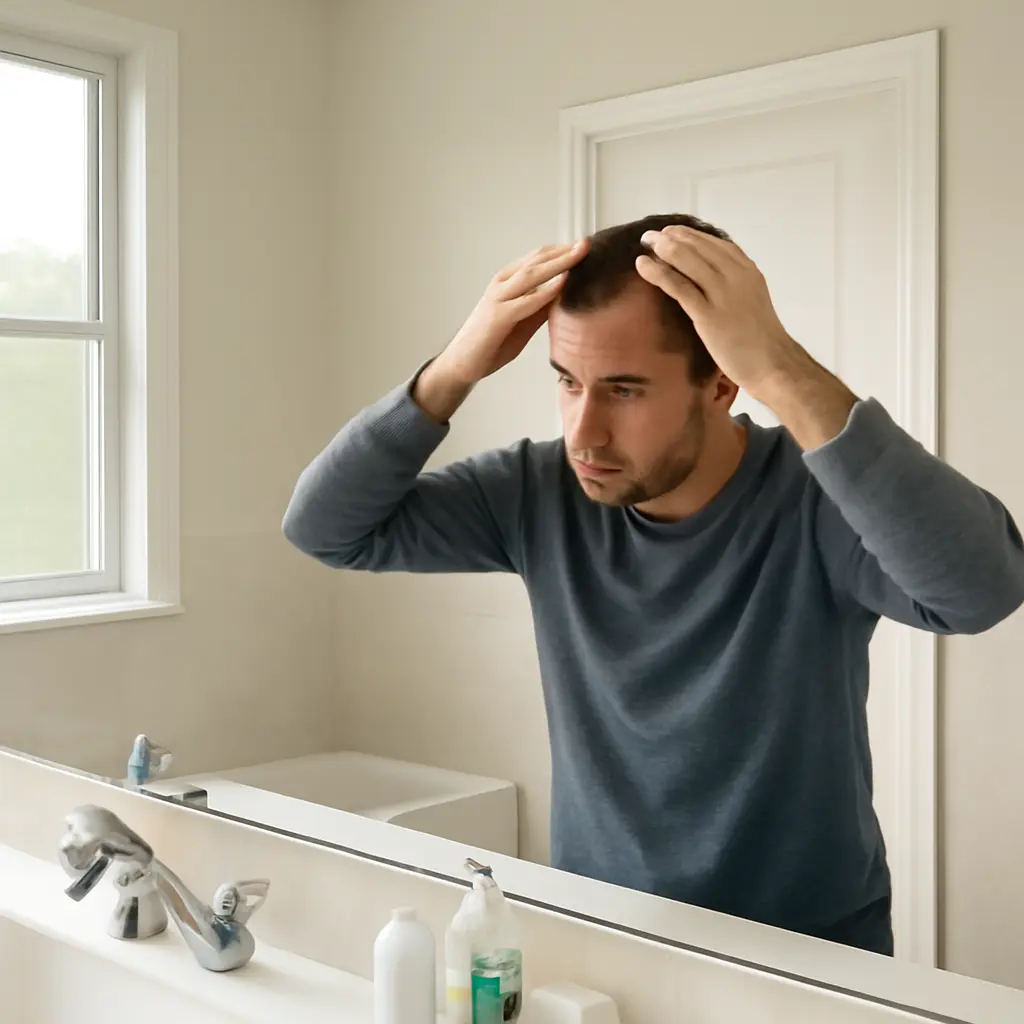
A newly itchy, flaky, tender, or unusually oily scalp is common and often has a manageable cause—but “scalp irritation” is a symptom, not a diagnosis. Dandruff and seborrheic dermatitis are frequent explanations, while dry skin, product reactions, psoriasis, and infections can look similar. Start by noting what changed, use gentle hair care, and watch for warning signs such as pain, pus, fever, or hair loss. The American Academy of Dermatology (AAD) describes dandruff as a common form of seborrheic dermatitis; there is no single reliable statistic that predicts what is causing an individual’s new symptoms.
Scalp irritation: what a new symptom can mean
Scalp irritation means discomfort or visible changes affecting the skin on the head, such as itching, flaking, redness, scaling, or tenderness. It can arise from inflammation, dryness, infection, or contact with an irritating or allergy-triggering product. The National Eczema Association and dermatology guidance emphasize that several scalp conditions overlap in appearance, so flakes alone do not establish a diagnosis.
A useful first step is to record when the problem began and what happened shortly beforehand: a new shampoo, hair dye, styling product, medication, stressful period, or change in washing routine. This timeline can help distinguish a short-lived reaction from a recurring skin condition.
Itching, flakes, redness, and tenderness
Itching and loose white or yellowish flakes commonly accompany dandruff. Redness, greasy scale, or irritation around the ears, eyebrows, or sides of the nose may point toward seborrheic dermatitis, which can affect areas rich in oil-producing glands. Dry, tight-feeling skin may produce smaller, dry flakes. These clues can guide what to observe, but they cannot confirm a cause by themselves.
Tenderness, sores, crusting, or a burning sensation deserves more attention than uncomplicated flaking. Repeated scratching can damage the skin and increase the chance of secondary infection, so try to avoid picking or scraping.
Common causes and look-alikes
Common possibilities include dandruff, seborrheic dermatitis, dry skin, psoriasis, eczema, and contact dermatitis. Contact dermatitis is a skin reaction caused by direct irritation or an allergy; hair dyes, fragrances, preservatives, shampoos, and styling products can be triggers. Less commonly, scalp ringworm (tinea capitis) or another infection may cause scaling and hair loss. A clinician may need to examine the skin—and sometimes test a sample—to tell these conditions apart.
Gentle first steps for a newly bothered scalp
For mild symptoms without warning signs, simplify your routine before adding multiple treatments. The goal is to reduce possible irritation, avoid further skin injury, and see whether symptoms settle. Change one factor at a time when practical, since changing several products at once makes it harder to identify a trigger.
Review recent products and habits
Pause newly introduced or strongly fragranced products, and rinse shampoo and conditioner thoroughly. If symptoms followed hair dye or a chemical treatment, stop using that product and seek medical advice if the reaction is pronounced or persists. The U.S. Food and Drug Administration advises consumers to follow hair-dye directions and perform the recommended skin test before each use; a prior uneventful use does not guarantee a future reaction will not occur.
Use lukewarm rather than very hot water, avoid vigorous scrubbing, and pat the scalp dry. Do not apply household remedies, essential oils, or medicated products to broken or inflamed skin without checking whether they are appropriate; “natural” ingredients can also irritate or trigger allergy.
If flakes suggest dandruff
An over-the-counter dandruff shampoo may help when flaking and itching are mild and there are no signs of infection or a severe reaction. AAD guidance lists active ingredients such as ketoconazole, selenium sulfide, zinc pyrithione, salicylic acid, sulfur, or coal tar, depending on the product and market. Follow the label, including how long to leave the shampoo on the scalp and how often to use it. Stop and seek advice if it causes significant burning, swelling, or worsening irritation.
Different active ingredients work in different ways, and some may be unsuitable for particular people or hair types. Ask a pharmacist or clinician for help if you are pregnant, treating a child, have a known allergy, or are unsure which product to choose. Persistent symptoms may need a different treatment or an examination rather than repeated product changes.
Track the pattern
Keep a brief note of symptoms, products, and dates. Record whether the scalp is dry or oily, whether the scale is localized or widespread, and whether the problem also affects the face, ears, or body. A simple timeline or symptom diary can make a medical appointment more useful, especially when flare-ups come and go.
When scalp symptoms need medical attention
Seek medical care promptly for severe pain, rapidly spreading redness, warmth, pus, fever, open sores, or a sudden marked reaction after a product. Facial or throat swelling, breathing difficulty, or faintness after exposure to a product may signal a serious allergic reaction and requires emergency help.
Arrange a clinician or dermatologist visit if symptoms keep returning, do not improve with careful label-directed treatment, or interfere with sleep and daily life. Get assessed for patchy hair loss, broken hairs, tender swollen areas, or thick persistent plaques. These signs can occur with conditions that need prescription treatment or a specific diagnosis; delaying evaluation may allow some infections or inflammatory disorders to worsen.
A practical beginner’s checklist
- Notice the main symptom and when it began.
- Think back to new products, hair treatments, or routine changes.
- Use gentle washing and avoid scratching, scraping, and unverified remedies.
- If dandruff seems likely, consider an appropriate over-the-counter shampoo and follow its label.
- Seek care for warning signs, hair loss, persistent symptoms, or uncertainty about the cause.
A scalp that has only just started bothering you does not automatically signal a serious problem. Still, symptoms can have different causes, and the right response depends on the pattern and severity. Begin with gentle care and observation, then get professional advice when symptoms are severe, persistent, or accompanied by hair loss or signs of infection.
Sources: American Academy of Dermatology Association, “How to treat dandruff,” https://www.aad.org/public/everyday-care/hair-scalp-care/scalp/treat-dandruff; American Academy of Dermatology Association, “Dandruff: Diagnosis and treatment,” https://www.aad.org/public/diseases/a-z/dandruff-treatment; U.S. Food and Drug Administration, “Hair Dyes,” https://www.fda.gov/cosmetics/cosmetic-products/hair-dyes; National Eczema Association, “Seborrheic Dermatitis,” https://nationaleczema.org/eczema/types-of-eczema/seborrheic-dermatitis/


